23 Aug 2026 • Steve Stanbury
What It Actually Takes to Launch a Pickleball Club Website in 2026
Pickleball has grown 171.8% in three years, and most club websites haven't kept pace. A look at why static sites are quietly becoming invisible, both to members and to the AI search tools now deciding who gets found.
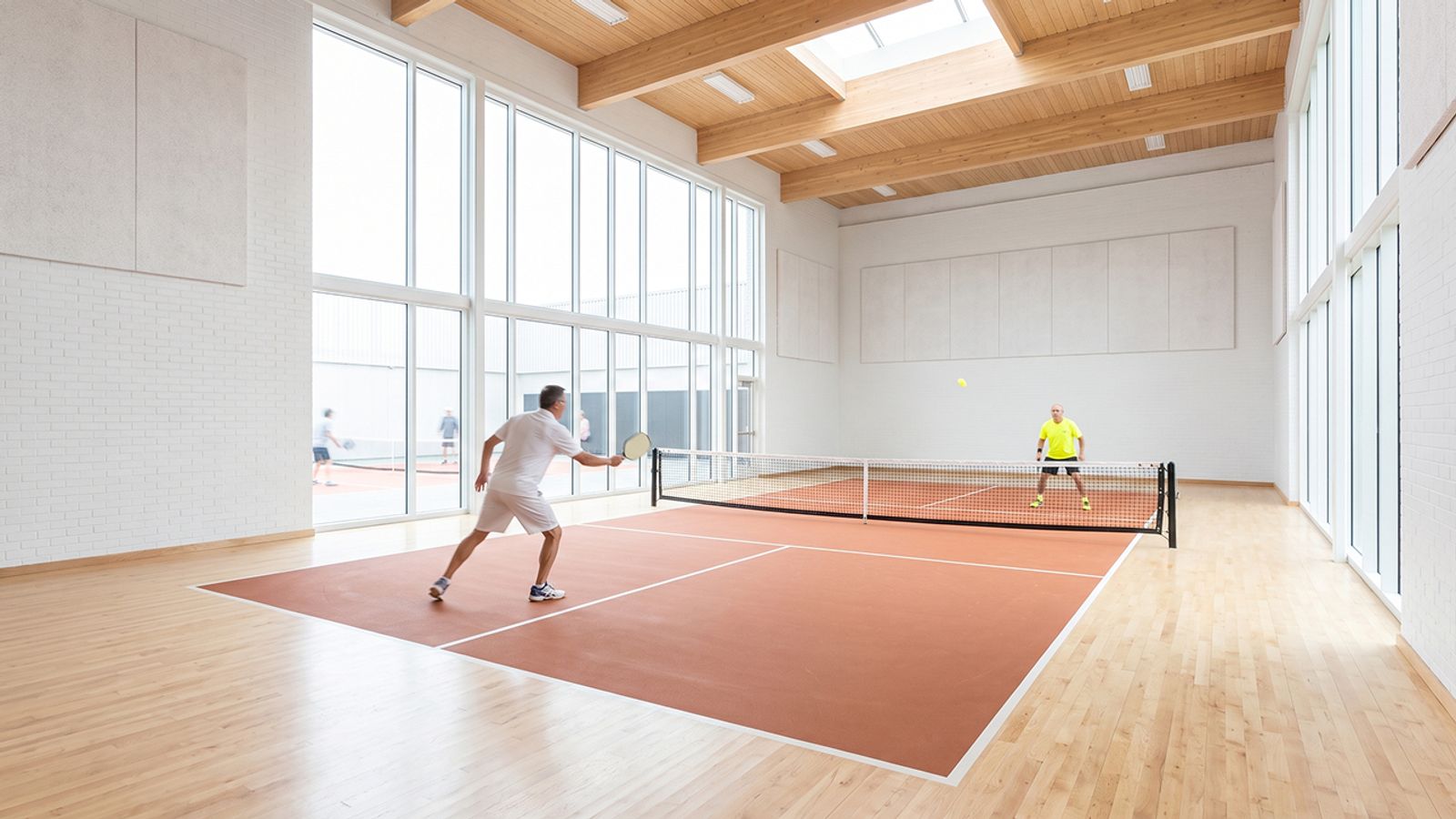
Participation in the U.S. climbed from 4.2 million players in 2020 to 24.3 million in 2025, according to the Sports & Fitness Industry Association's most recent report, a 171.8 percent increase over the past three years alone, and enough to make pickleball the country's fastest-growing sport for five consecutive years. Court infrastructure has scrambled to keep pace: the USA Pickleball court database lists over 82,000 courts across more than 18,000 locations, with more than 4,000 tennis courts fully or partially converted since 2021. New clubs are opening faster than most owners have time to think through what their website is actually for. The result is a wave of club sites that look reasonably polished on launch day and say almost nothing about the club a month later.
That gap, between how a site looks when it goes live and how it performs six months in, is the real problem worth talking about. Most advice on this topic stops at branding and structure. It rarely gets to the part that actually determines whether a club's website helps the business or quietly becomes irrelevant.
The trust problem starts before anyone books a court
Walk into almost any well-funded pickleball club and the facilities speak for themselves, good courts, good lighting, a clear sense that someone invested real money. Then look at the logo on the door, or the website that brought the visitor there in the first place, and the story sometimes falls apart. A logo that doesn't hold up at small sizes, a color palette that clashes across print and digital, a site that looks like it was assembled from a template, these are small failures individually, but they compound. A prospective member forms an opinion about legitimacy in the first few seconds, long before they've read a single word about programming or pricing.
Austin Pickle Ranch understood this from the start. Rather than defaulting to a generic sports-brand look, the club leaned into an authentic Austin identity, commissioning a local mural artist and building the website's visual language around that same sense of place. The result reads as a real, specific business rather than a franchise template, and that specificity is doing real work: it's the difference between a club that looks like it could be anywhere and one that clearly belongs where it is.
The bigger problem: most club websites are already obsolete the day they launch
Here is the part that gets skipped in almost every guide to launching a club website: a static site is, by definition, a site that stops being useful the moment nobody remembers to update it.
Consider what a typical club website actually contains. A schedule that was accurate when it was built. A list of programs that hasn't changed since launch. A "recent news" section with one post from three months ago. None of this is a design failure, it's a structural one. The club itself doesn't stop moving, tournaments run, standings shift, new leagues form, but the website does. The two drift apart within weeks.
This matters more than it used to, for two separate reasons. The obvious one is that members have no reason to check a site that never changes, so they stop checking it, and the club loses a channel it paid to build. The less obvious reason is what's happening with search and discovery. AI-driven search tools, and the AI Overviews now sitting on top of traditional Google results, increasingly favor content that is current, structured, and demonstrably live over content that looks frozen. A club whose website hasn't meaningfully changed since launch is not just failing its existing members, it's becoming harder to find for people who haven't joined yet.
The fix isn't more content discipline, more reminders to someone on staff to update the site. It's connecting the data that already exists, inside whatever booking platform the club runs on, directly to the website, so the site reflects what the club is actually doing rather than what someone last remembered to type in. For clubs running on PodPlay, this is exactly what LiveCourt was built to do: pulling live schedules, court activity, and standings straight from the booking system into the public-facing site, without anyone touching a CMS.
Search still matters, but the rules have shifted
Traditional SEO advice hasn't disappeared, the fundamentals, clear location pages, a properly maintained Google Business listing, member reviews, still carry real weight. What's changed is what happens after a search. A growing share of people now research local activities through AI tools rather than a list of ten blue links, and those tools are visibly better at surfacing businesses with genuinely current, well-structured content than ones running static brochure pages. A club competing for visibility in 2026 is competing on two fronts at once: ranking in a traditional search result, and being legible enough for an AI system to confidently recommend it.
Content still needs a reason to exist
The standard advice, start a blog, post training tips, share match highlights, is sound in principle and difficult in practice. Most clubs start strong and stop within a season, because someone has to actually produce the content, and running a club leaves little room for that. The clubs that sustain a content presence tend to be the ones where the content is a byproduct of something already happening, match footage from cameras already installed on the court, standings that update themselves as a tournament runs, rather than something a staff member has to sit down and write from scratch. Content built on live data has a natural advantage: it doesn't run out.
What actually separates the clubs that keep working from the ones that stall
None of this is really about picking the right platform or following a checklist. It's about recognizing that a club's website is not a one-time deliverable, it's a live surface that either reflects what the club is actually doing or gradually stops mattering to the people it was built for. The clubs getting this right, the ones whose websites people keep returning to, all share one trait: their site is connected to the club, not a snapshot of it.
If you're building or rethinking a club's digital presence, that's the question worth asking first, not "does it look good," but "will it still be true in six months without anyone touching it."